Otto Jung · 2 September 2026
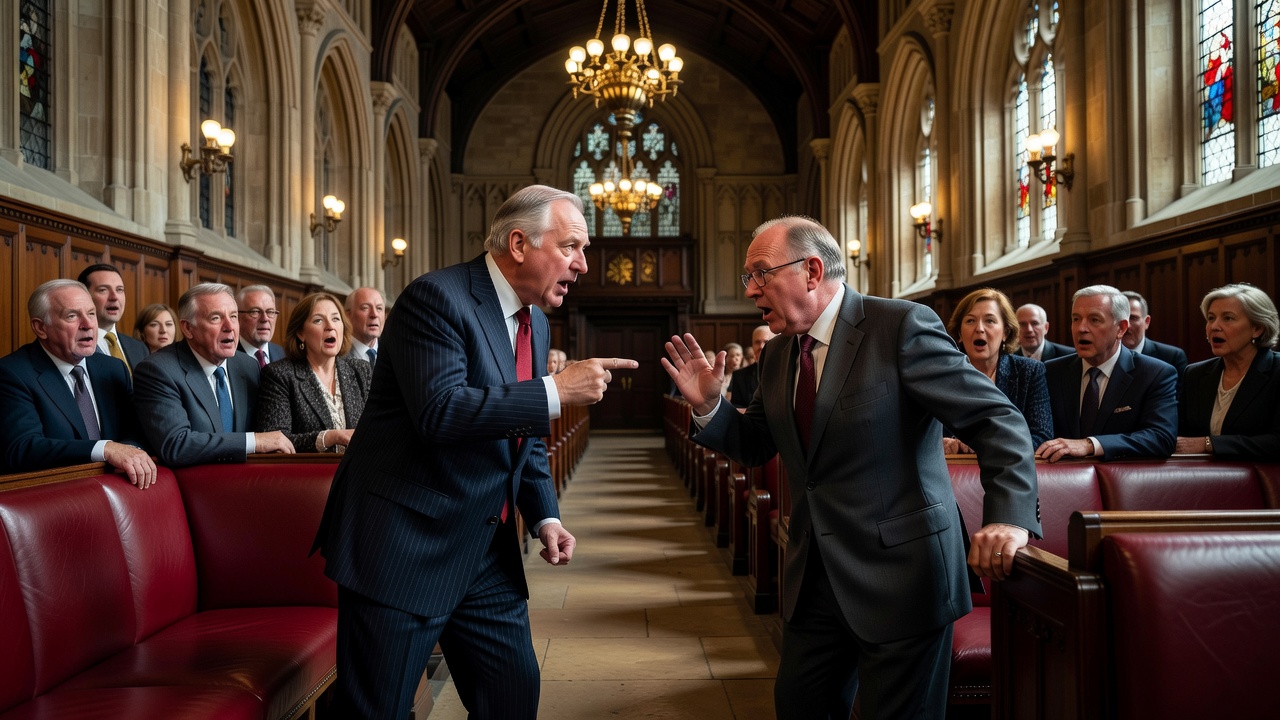
Proposals to overhaul the House of Lords have triggered intense discussions among members this week. The government has outlined measures aimed at reducing the chamber's size and altering its composition to better reflect modern governance needs. Peers from across party lines have voiced both support and reservations during recent sessions.
Core Components of the Reform Package
The draft legislation includes capping membership at 600 individuals, introducing a retirement age of 80 for sitting peers and allocating a portion of seats through regional elections. Additional clauses propose stricter rules on donations and outside interests to enhance transparency. Officials argue these changes would streamline operations while preserving the chamber's advisory role. Critics contend that elected elements risk politicising an institution traditionally valued for its independence and expertise.
Supporters highlight historical precedents for incremental adjustments, noting that past reforms have successfully adapted the Lords to contemporary demands without undermining its constitutional function. Data from the House administration shows current membership exceeds 800, prompting concerns over efficiency and public perception. The proposals also recommend enhanced scrutiny mechanisms for appointments to maintain balance between life peers, bishops and hereditary representatives.
Peer Responses and Ongoing Discussions
During floor debates several crossbench peers emphasised the value of expertise drawn from diverse professional backgrounds, warning that rapid structural shifts could diminish this asset. Conservative members expressed caution over electoral components, fearing they might duplicate functions already performed by the Commons. Labour peers generally welcomed the focus on accountability while calling for further consultation on implementation timelines.
Liberal Democrat voices advocated stronger measures to address gender and regional imbalances within the current membership. Independent analyses suggest public support for reform remains steady, with polls indicating preference for a smaller, more representative upper house. Committee hearings are scheduled to continue through the month, allowing detailed examination of amendments before any final vote. Observers note that achieving consensus will require careful negotiation given the varied interests at stake.
Further sessions are expected to address funding implications and transitional arrangements for existing members. The government has indicated flexibility on certain details provided core objectives are retained. This measured approach reflects broader efforts to strengthen parliamentary institutions amid evolving public expectations.