Wendy Richter · 2 September 2026
Proposals for reforming the House of Lords have led to intense discussions among peers in recent weeks. The government has put forward a series of measures intended to update the ancient institution and address long-standing criticisms regarding its size and selection process.
Overview of Reform Proposals
The main elements include reducing the total number of sitting peers from the current figure exceeding eight hundred to a more manageable six hundred. This would involve encouraging voluntary retirements and imposing stricter criteria for new appointments. Furthermore, the plans suggest introducing a limited number of elected members to bring greater democratic legitimacy to the upper chamber. Hereditary peers would see their numbers gradually reduced over time. Proponents claim these steps will streamline operations and improve public trust in the parliamentary system. Additional measures focus on enhancing diversity by encouraging appointments from underrepresented groups and regions across the United Kingdom. The reforms also propose changes to the powers of the house in relation to legislation, though these remain less defined at present. Experts in constitutional law have been consulted to ensure compatibility with existing legal frameworks.
Responses from Members of the Nobility
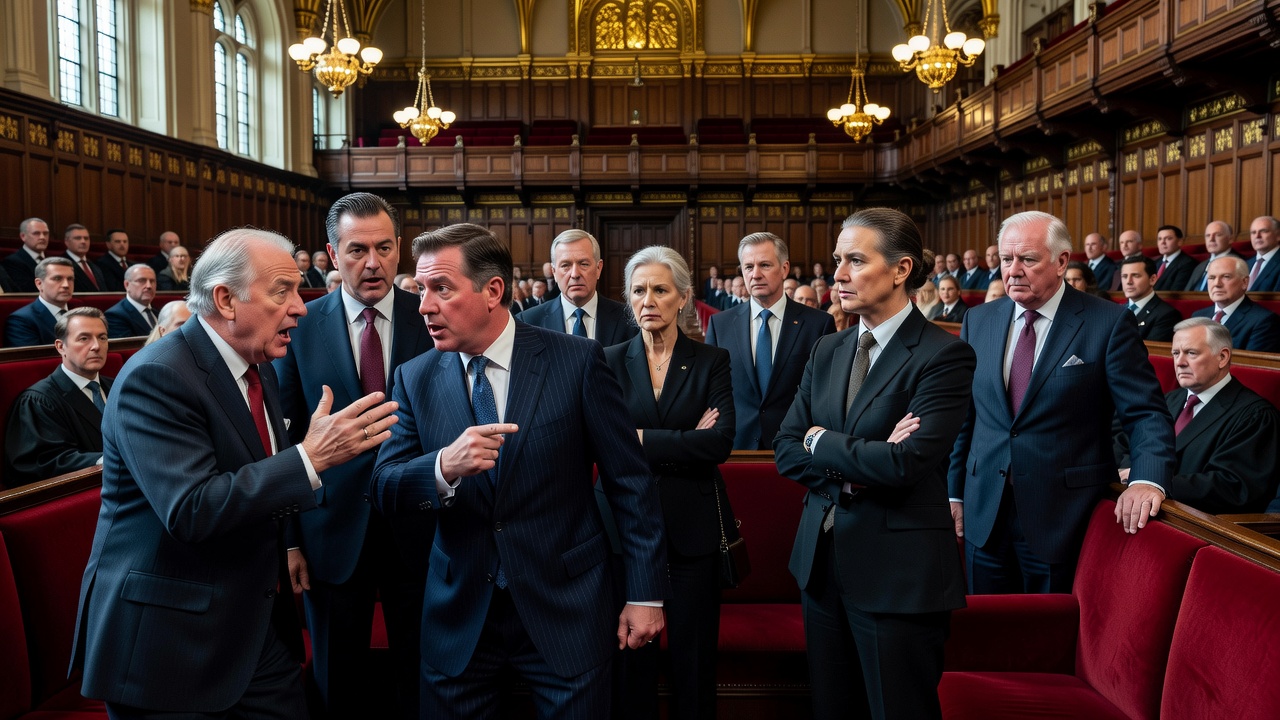
Peers have voiced a range of opinions on the matter. Some senior members worry that reducing the size could limit the breadth of expertise available for scrutinizing bills. They emphasize the value of the current system in providing independent advice based on lifetime achievements. Others welcome the opportunity for modernization, arguing it aligns the house with contemporary democratic standards. During recent sessions, several peers delivered speeches highlighting potential benefits and drawbacks. Crossbench members in particular stress the importance of maintaining political neutrality. The ongoing debate is expected to influence the final shape of any legislation presented to parliament. Observers note that reaching consensus may prove challenging given the diverse interests represented in the chamber. The discussions are taking place against a backdrop of broader constitutional reviews. Peers are also considering how reforms might affect the relationship between the two houses of parliament. Historical precedents are being examined to inform current positions. It remains to be seen how these proposals will evolve in the coming months.