Otto Jung · 2 September 2026
Proposals for reforming the House of Lords have triggered significant discussion among its members this week. The government outlined measures aimed at reducing the chamber's size and adjusting appointment processes, prompting varied responses from peers across party lines.
Key Elements of the Proposed Changes
The reforms include capping the total number of peers at 600, introducing term limits of 15 years for new appointments, and increasing the proportion of crossbench members selected through an independent commission. Officials argue these steps would enhance efficiency and public confidence in the upper chamber. Critics within the Lords contend that such limits could undermine the expertise accumulated through lifetime appointments. Several hereditary peers expressed concern over potential reductions in their representation, while others welcomed efforts to modernise selection criteria. The package also proposes greater transparency in donations linked to peerages, a move designed to address longstanding perceptions of influence peddling.
Responses and Ongoing Discussions
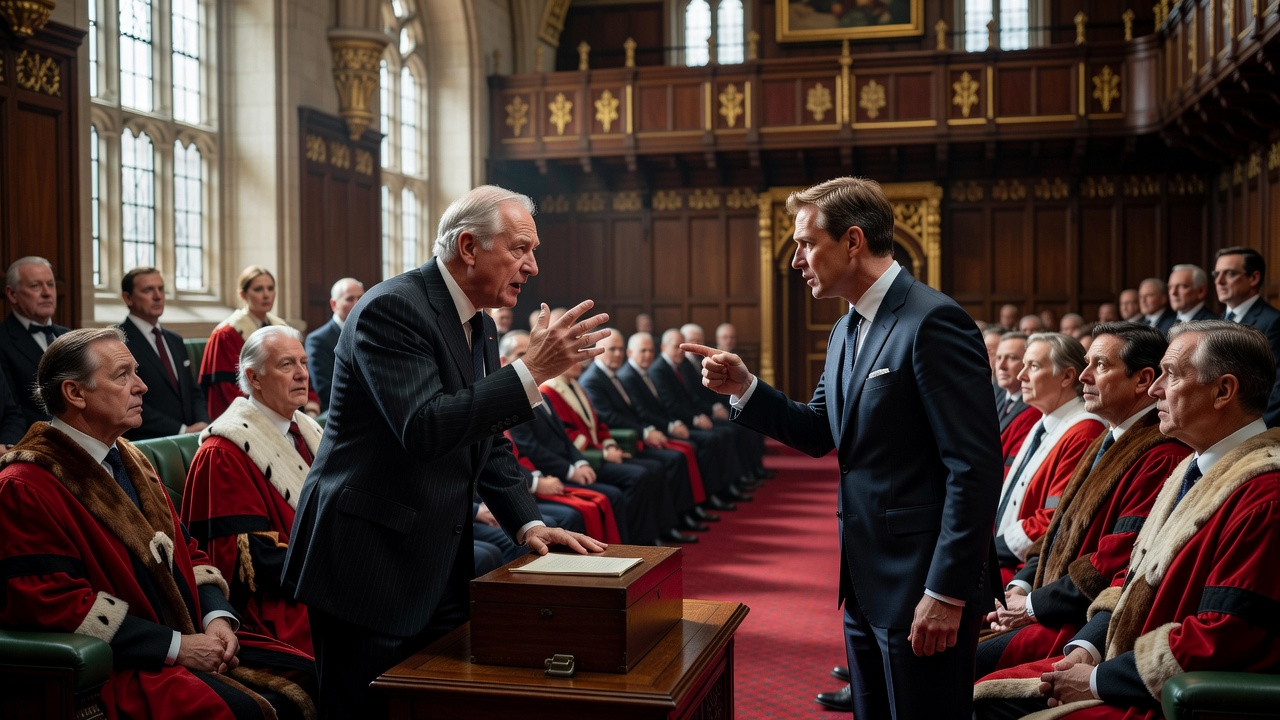
During recent sessions, peers voiced both support and reservations in measured exchanges. Baroness Smith highlighted the need for evolutionary rather than abrupt alterations, noting the chamber's role in detailed legislative scrutiny. Lord Forsyth countered that incremental adjustments have repeatedly fallen short, advocating instead for a fully elected element to strengthen democratic legitimacy. Cross-party working groups are now reviewing submissions ahead of a white paper expected next month. External observers from constitutional bodies have urged caution, emphasising the importance of preserving the Lords' independence from short-term political pressures. Attendance at committee meetings on the topic has risen notably, reflecting the depth of engagement among sitting members. Further debates are scheduled before any legislation advances to the Commons.